

Overview
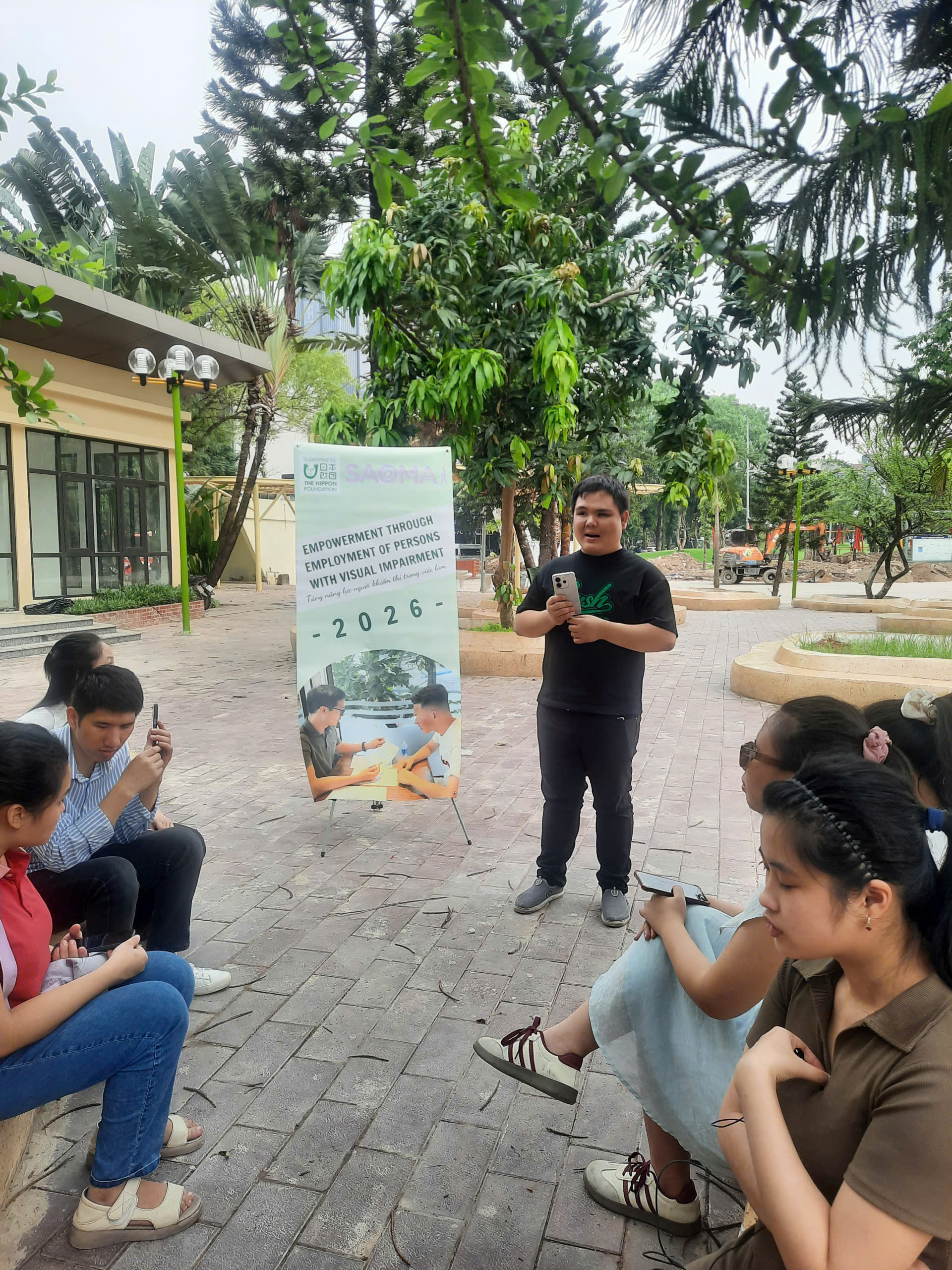
The “Say It, Can Do It” training series, organized by Sao Mai for the Blind and STEP Club, officially concluded after five training sessions in Hanoi. The program was part of the “Empowerment Through Employment of Persons with Visual Impairment” project funded by The Nippon Foundation.
Designed with a practical and experience-based approach, the program focused on equipping visually impaired participants with essential skills and mindsets for education, employment, and workplace integration.
Main Content
Throughout the series, each session was structured to support participants step by step, from self-awareness to practical workplace and life skills.
The first session focused on self-identification and career orientation. Through tools such as SWOT analysis and basic thinking models, participants reflected on their strengths, weaknesses, and personal challenges. This helped them better understand potential career paths that matched their abilities and circumstances.
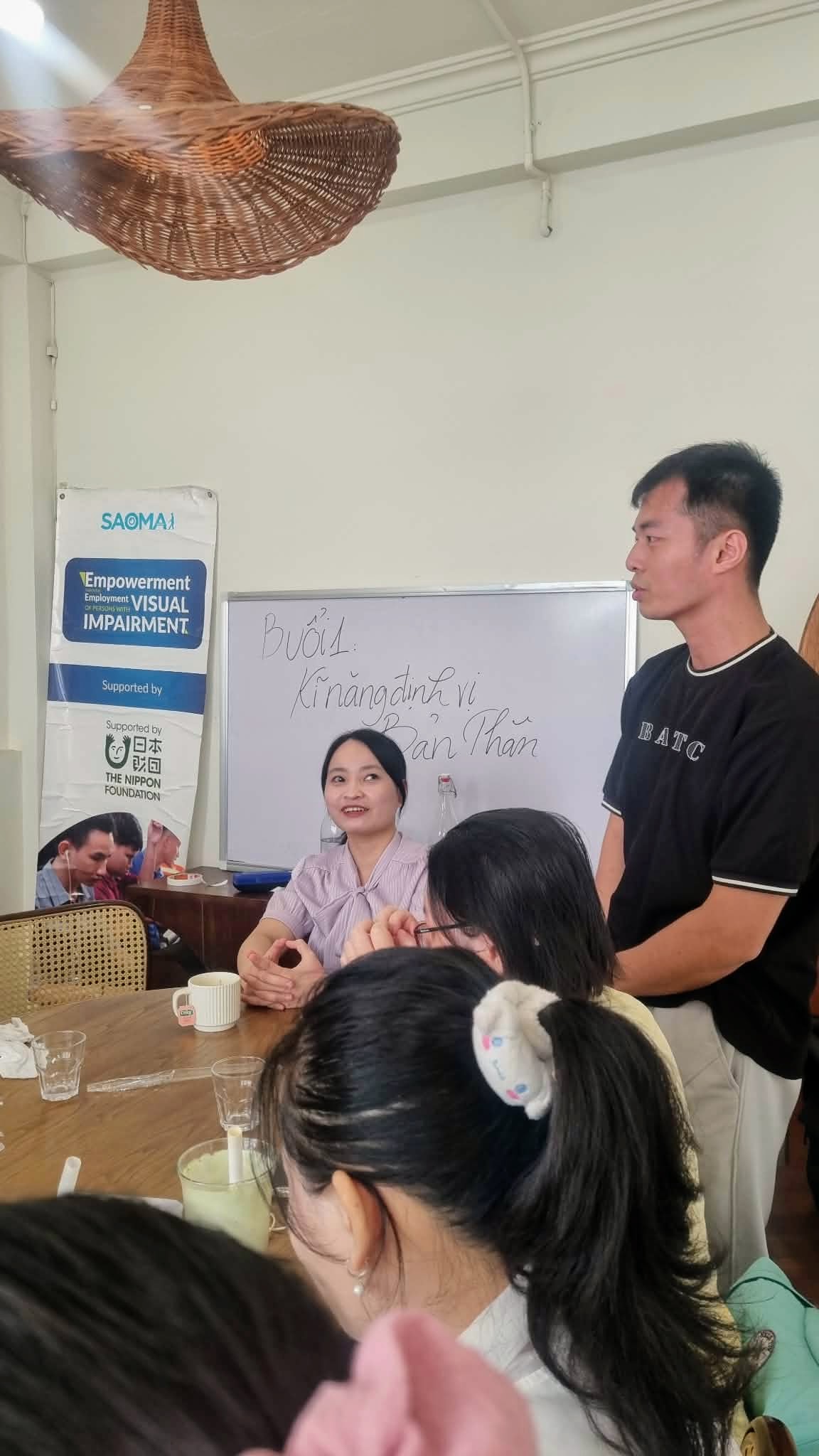
The second session shifted toward professional image and workplace behavior. Topics included communication, workplace etiquette, personal presentation, basic makeup, and the use of AI tools for personal grooming and self-improvement. Through discussion and practice, participants gained a clearer understanding of how confidence and professionalism can influence workplace interactions.
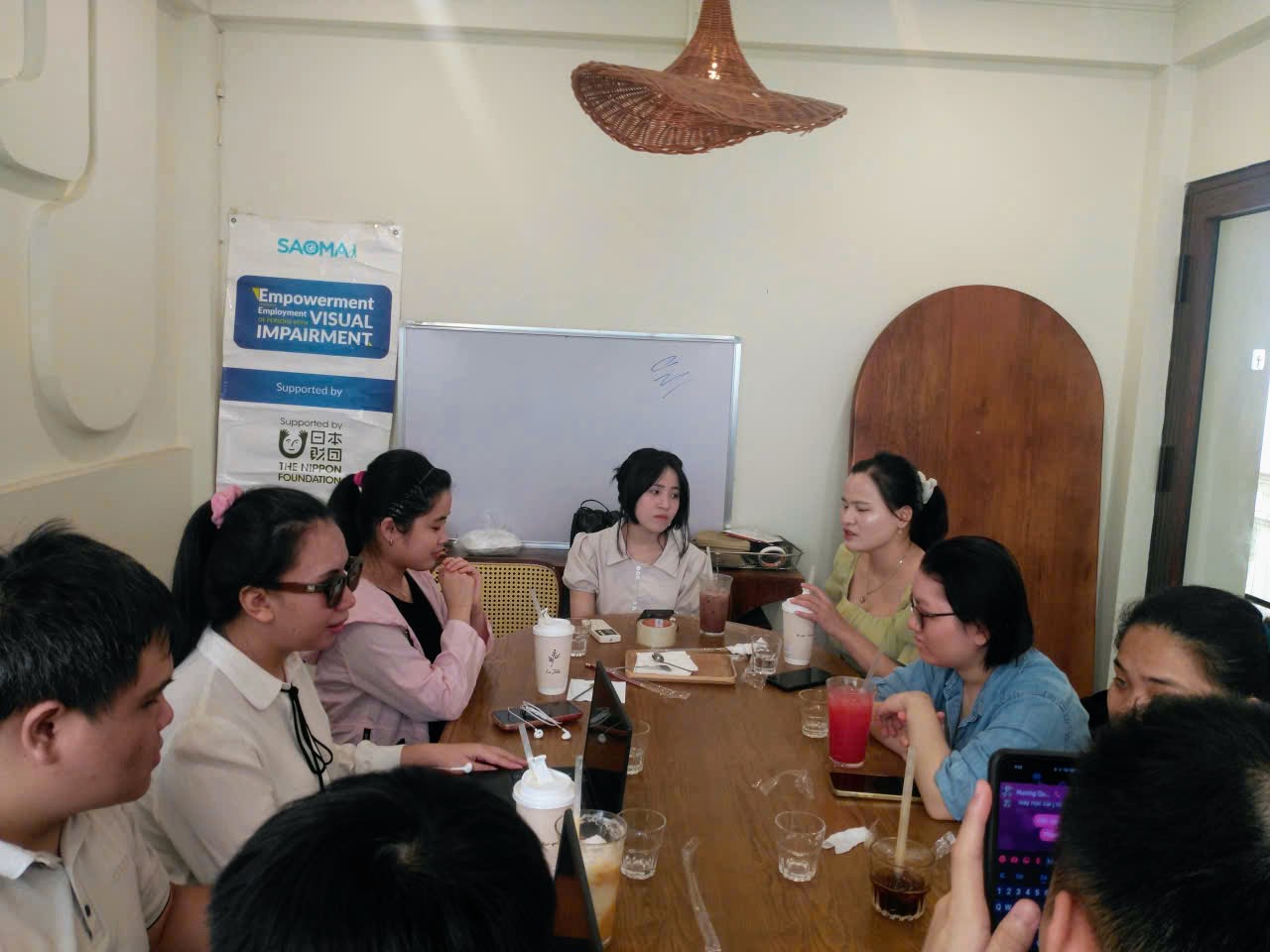
The third session emphasized independent mobility and assistive technology. Participants practiced using white canes alongside navigation applications such as Tìm Buýt and BusMap, as well as several AI-supported tools. These activities helped strengthen participants’ confidence in traveling independently, accessing education, and preparing for employment opportunities.
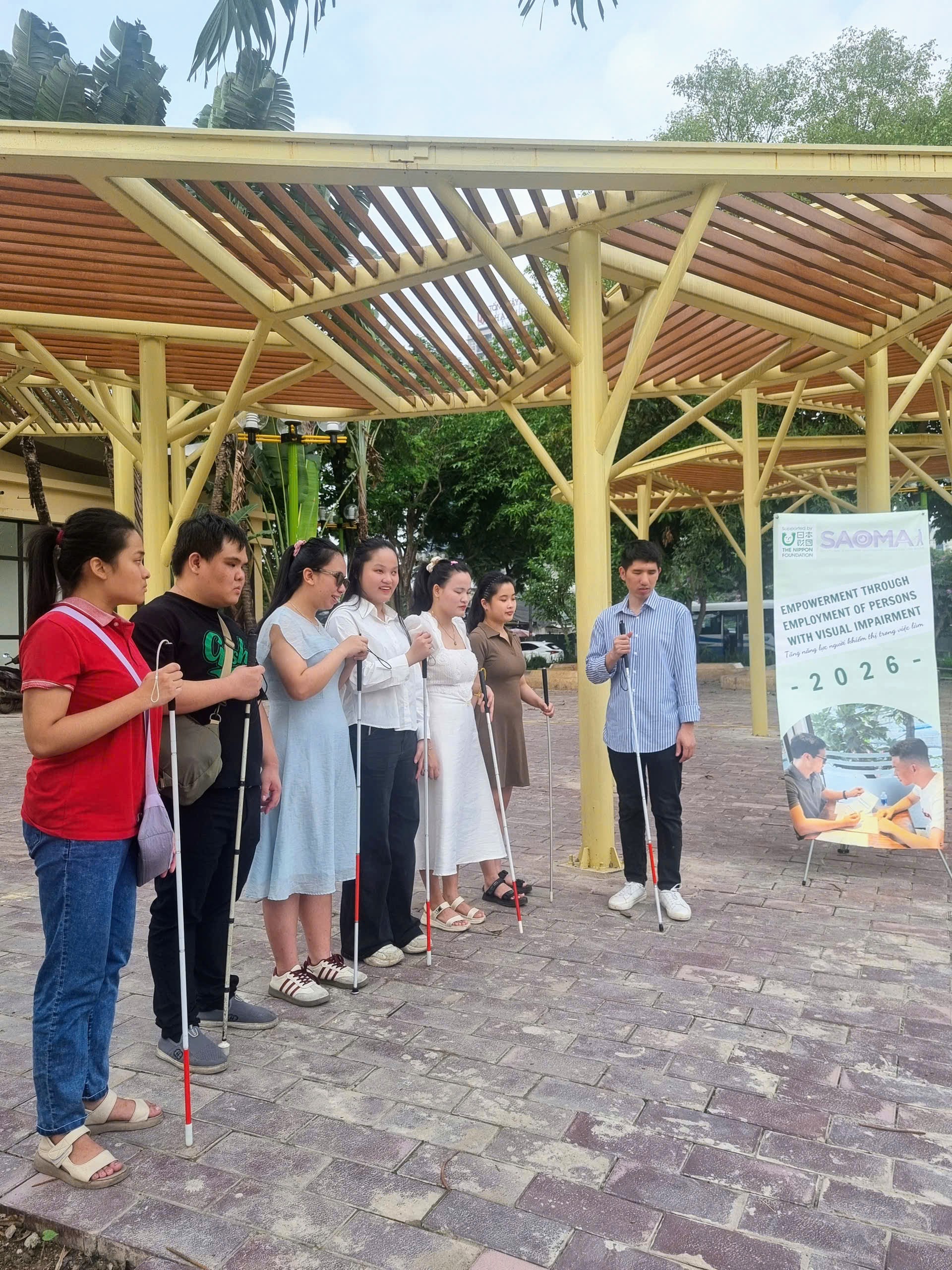
The fourth session explored workplace relationships and professional communication. Through group activities and real-life scenarios, participants discussed how to build and maintain positive relationships with colleagues and supervisors. The session also highlighted responsibility, professionalism, and proactive problem-solving in workplace settings.
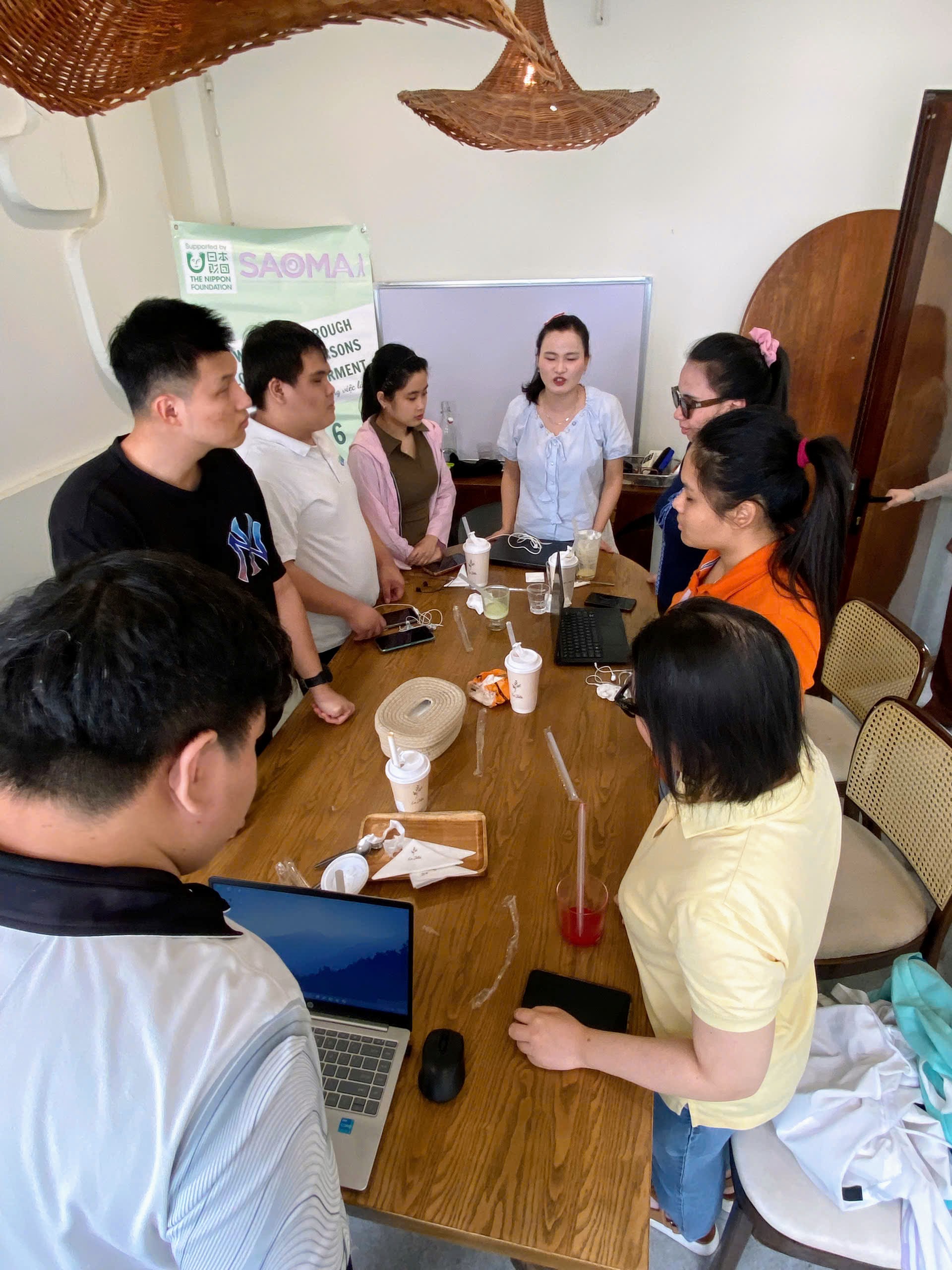
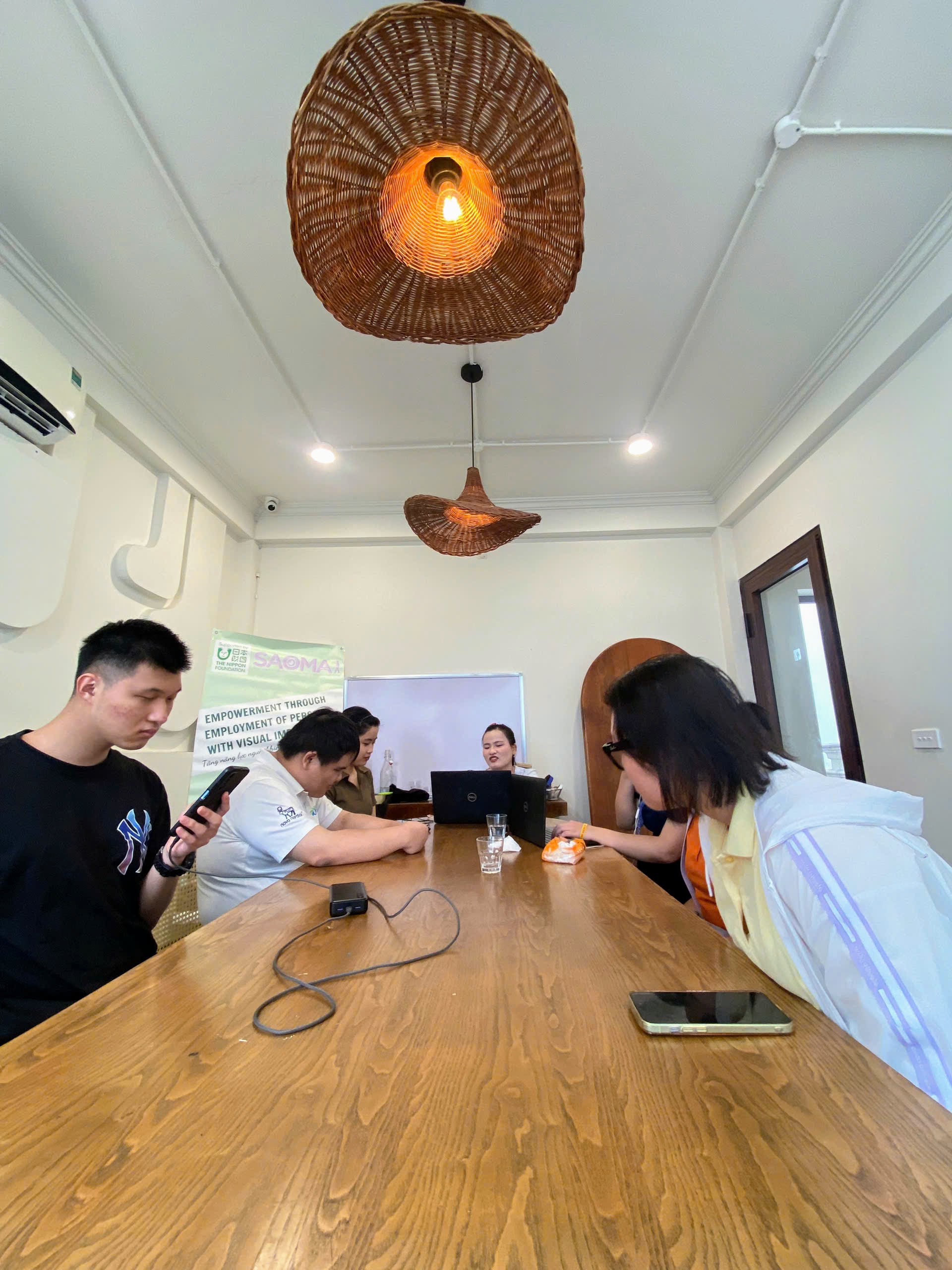
The final session focused on preparing participants for the realities of the labor market. Discussions covered common challenges during job applications, probation periods, and long-term employment. Through open conversations and shared experiences, participants recognized the importance of adaptability, accountability, and actively seeking support when needed.
Conclusion
Rather than promoting an “ideal” model of success, the training series aimed to provide participants with a more realistic understanding of workplace expectations, personal limitations, and opportunities for growth. After five sessions, participants gained practical knowledge, useful tools, and hands-on experiences that can help them feel more confident and better prepared for their future educational and career journeys.
Share via:
EmailFacebookTwitterGoogleLinkedin