

Overview
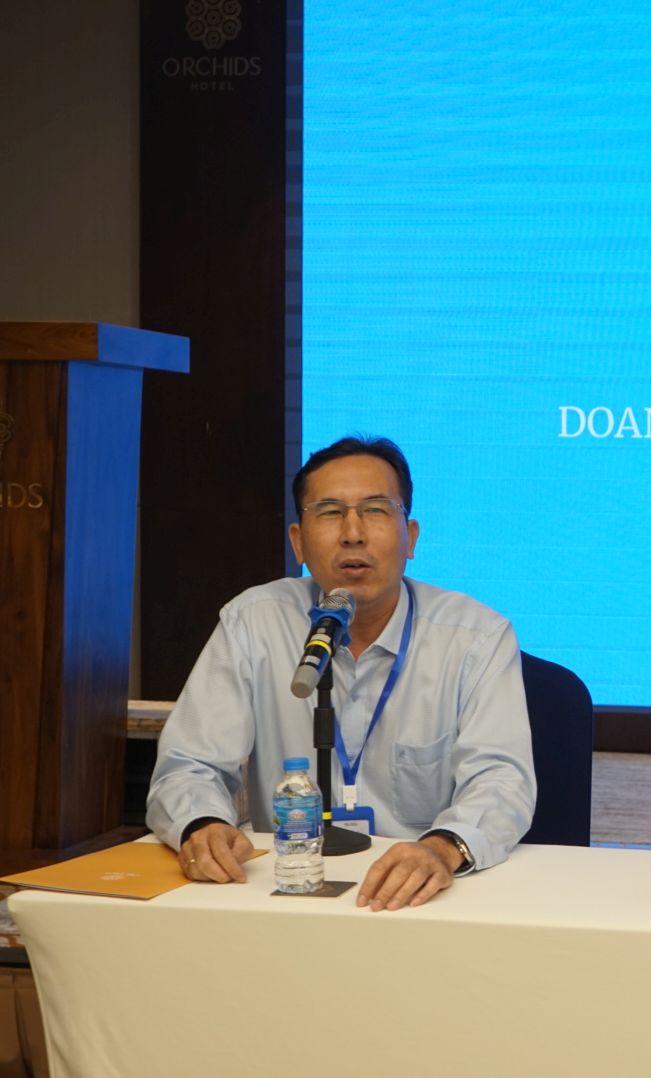
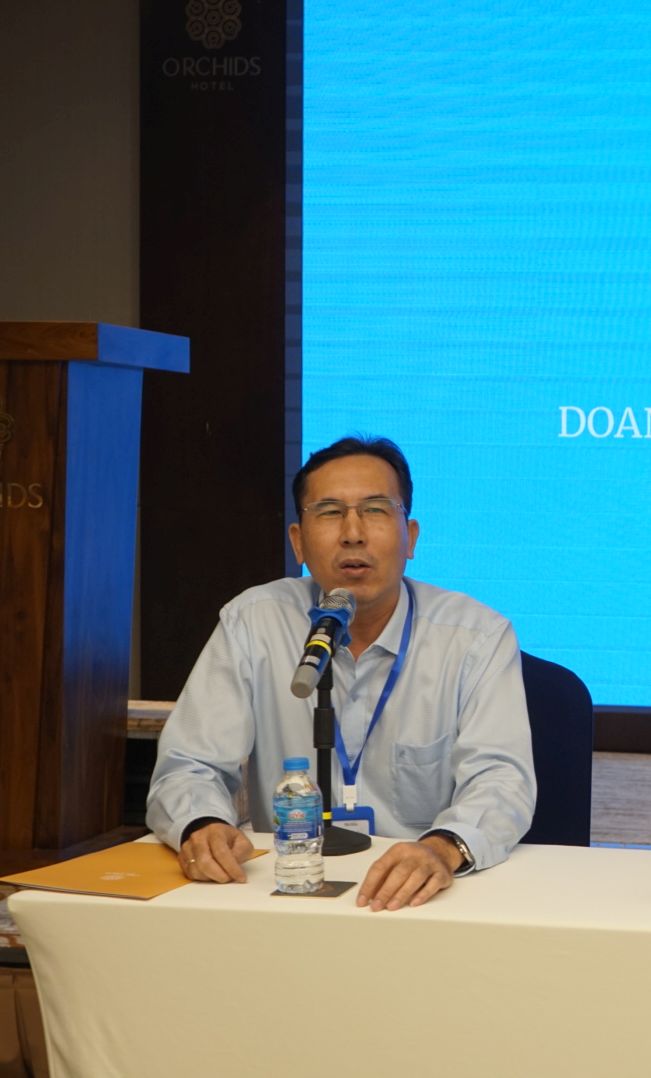
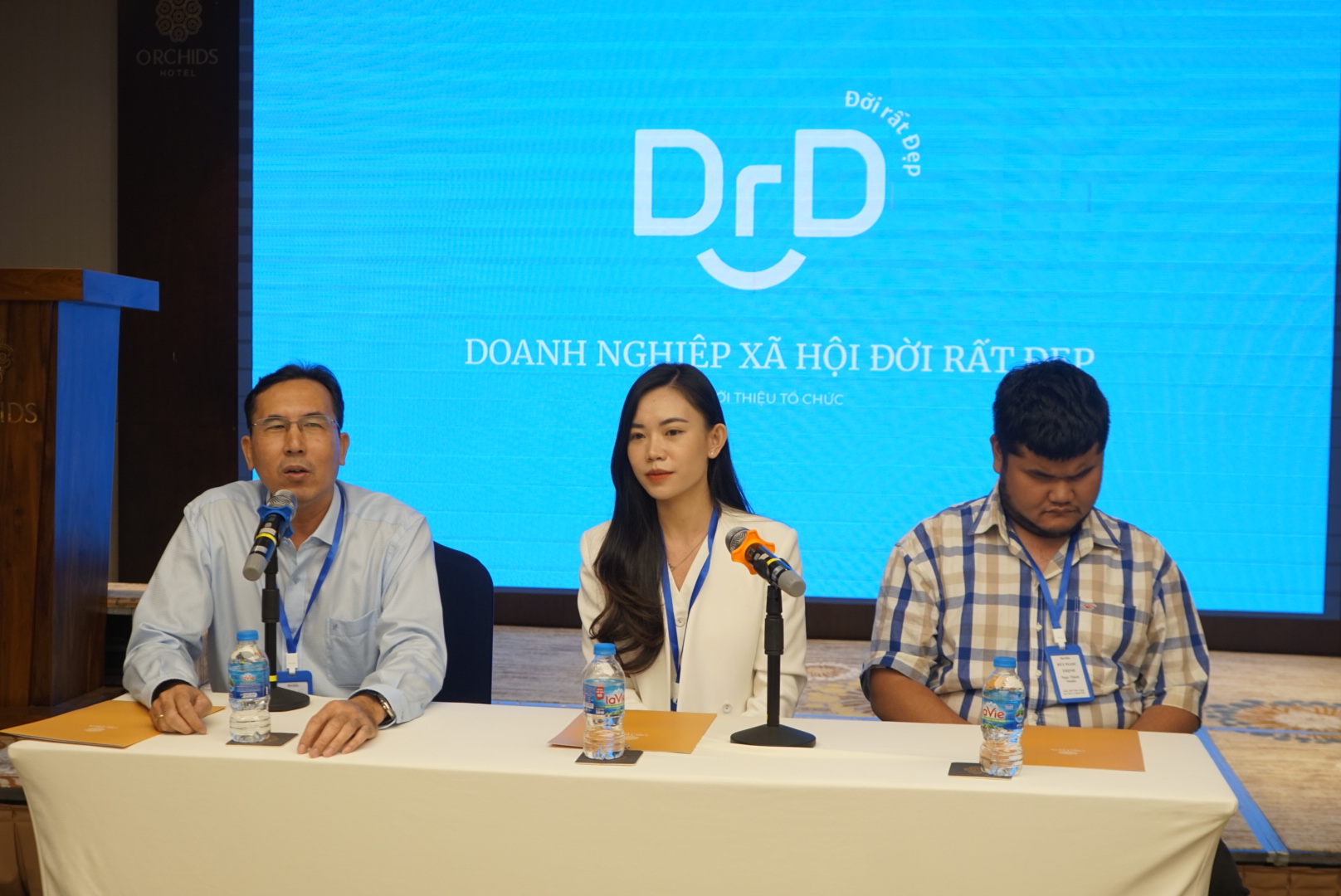
At the “Employment Bridge – Accompanying Employers and People with Visual Impairments” conference, organised by Sao Mai Center for the Blind with support from The Nippon Foundation, Mr. Nguyễn Văn Cử – Director of Đời Rất Đẹp Social Enterprise and Deputy Director of the Disability Research and Capacity Development Center (DRD) – shared insights from the perspective of a support organisation that has spent many years working with both businesses and people with disabilities. Drawing on his experience in advising on inclusive recruitment, delivering diversity and inclusion training, improving workplace accessibility and facilitating job matching, he highlighted three key themes: how to look at people with disabilities in the recruitment process, the concrete benefits of inclusive recruitment for businesses, and the common concerns that need to be addressed.
People with disabilities in inclusive recruitment
At the beginning of his talk, Mr. Cử called for a change in perspective: when we talk about recruiting people with disabilities, the important question is not “what is their disability?” but “what are their skills and what kind of work can they do?”. Focusing only on impairment causes employers to overlook a valuable pool of talent, and support organisations, if they do not truly understand the strengths of people with disabilities, will struggle to provide accurate and comprehensive advice to businesses.
From the experience of Đời Rất Đẹp and DRD, he explained that consultants on inclusive recruitment need to understand both sides: the abilities and support needs of different groups of people with disabilities, and the job requirements, company culture and business constraints of each employer. Only on that basis can they make effective matches, place candidates in suitable positions and recommend reasonable adjustments that enable people with disabilities to perform at their best while giving employers confidence in their hiring decisions.
Mr. Cử also sent a message directly to people with disabilities themselves: alongside external support, each person needs to build self-confidence and continuously improve their knowledge, professional skills, soft skills and technology skills so that when employment opportunities arise, they are ready to embrace and seize them.
Benefits for businesses when they recruit inclusively
From a business perspective, Mr. Cử emphasised that recruiting people with disabilities is no longer just about fulfilling social responsibility. It is becoming a global standard for diversity, equity and inclusion, especially in international supply chains. As companies integrate more deeply into global markets, they are expected to demonstrate their commitments on environment, social impact and governance, including policies and practices related to inclusive recruitment and workplaces for people with disabilities.
He cited a survey of 200 businesses, in which 61.3% said that recruiting people with disabilities is a significant need, linked to sustainable development strategies and enhancing competitiveness. When a company has inclusive hiring policies, its brand reputation is strengthened and its public image becomes more positive in the eyes of partners, customers, investors and employees.
Internally, he shared that experience shows people with disabilities often have productivity equal to or even higher than their non-disabled colleagues in the same role, thanks to their strong ability to concentrate and their high sense of discipline. Their presence also helps to build a more humane workplace, where colleagues support each other, respect differences and work together to create a positive organisational culture.
Another important benefit is in long-term human resources planning. Many businesses face high staff turnover, and constant recruitment and retraining are costly and time-consuming. In reality, people with disabilities tend to stay longer with their employers because there are still limited opportunities in the wider labour market. This helps companies stabilise their workforce, save on recruitment and training costs, and build a cohort of experienced staff who understand the organisation’s culture.
Common concerns among businesses
Despite these clear benefits, many companies still hesitate when it comes to hiring people with disabilities. According to Mr. Cử, the most prominent concern is the cost of reasonable adjustments. Many organisations imagine that making the workplace accessible will be very expensive, requiring major investments in infrastructure or specialised equipment. However, the consulting experience of Đời Rất Đẹp and DRD shows that many adjustments are simple and low-cost, yet beneficial not only for employees with disabilities but for everyone, such as arranging wider and clearer walkways, improving lighting, upgrading signage or adding more flexible communication channels. One of the core principles of reasonable adjustment is that it should not create an excessive burden for the employer.
Concerns about productivity are also common. Some managers worry that employees with disabilities will not be able to keep up with work demands. Drawing on cases he has accompanied, Mr. Cử affirmed that people with disabilities can fully meet, and meet well, job requirements if they are placed in the right roles and receive appropriate support. Similarly, fears about commitment need to be revisited, because as he noted, people with disabilities tend to value employment opportunities and are less likely to “job-hop”, which helps businesses feel more secure about workforce stability.
Communication is another area of concern. Companies often ask: “If an employee is deaf or blind, how can we communicate and manage work effectively?” This is where support organisations play a critical role, by advising on specific solutions. For employees who are deaf or hard of hearing, employers can prioritise written communication, messaging apps, emails and visual noticeboards. For employees who are blind or have low vision, they can use computers with screen readers, accessible document formats and clear agreements on communication practices within the team.
Businesses are also concerned about the legal framework, fearing that they might “inadvertently violate” regulations if they hire people with disabilities. Mr. Cử gave an example: previously, the law stated that persons with severe or particularly severe disabilities could not work overtime; now, if a worker with a disability voluntarily agrees, they can work overtime like other staff. Without support organisations to keep them updated and provide guidance, companies may find it difficult to fully understand such changes.
Conclusion and key message
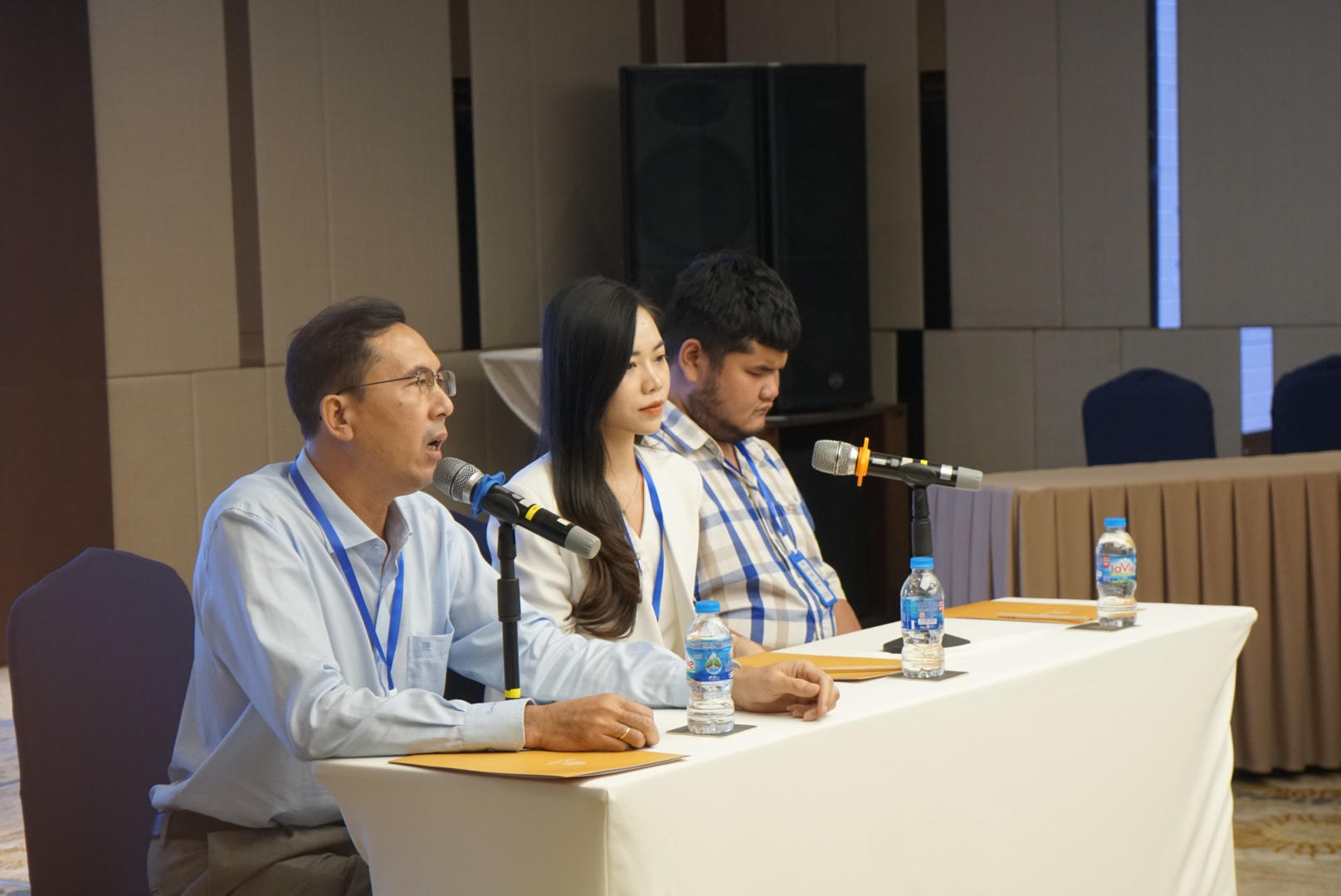
In closing, Mr. Nguyễn Văn Cử stressed that inclusive recruitment is a two-way process in which businesses, people with disabilities and support organisations work together on the basis of mutual understanding and respect. Employers need to be courageous in moving beyond stereotypes, asking the right questions and seeking out specialised support, while people with disabilities need to proactively build their capacities and be ready to demonstrate their professional value.
In a labour market that is changing rapidly, workers with disabilities are an important part of the solution to human resource challenges, innovation and sustainable development. His message to businesses and the wider community is this: focus on the abilities, potential and desire to contribute of people with disabilities. When we do that, inclusive recruitment is no longer a question of whether or not to do it, but becomes an essential strategy for businesses that want to go further on their journey of integration and growth.
Share via:
EmailFacebookTwitterGoogleLinkedin